
Glossary
Blind Spots
Blind spots are areas where safety risks go undetected due to limited supervision, changing shift patterns, or broken processes and procedures.
What blind spots means in practice
AI Vision provides continuous monitoring to eliminate gaps between inspections and shifts. Blind spots arise in areas or moments where risks go unseen due to limited supervision, complex layouts, or reduced staffing, such as during night shifts or high-traffic periods. AI Vision reduces these gaps by providing continuous visual monitoring through existing cameras, ensuring hazards and near-misses are detected whenever they occur. At an organizational level, eliminating blind spots improves the completeness and reliability of safety data. Continuous visibility enables teams to capture risks that would otherwise remain unreported, supporting earlier intervention and more accurate understanding of site-wide safety conditions.
Why blind spots matters for enterprise teams
- Reduces unreported near-misses
- Improves consistency
- Strengthens incident investigations
- Supports always-on, 24/7 coverage
Related glossary terms
Near-Miss Detection
Read moreRelated content for blind spots

From blind spots to full visibility: the AI Vision playbook
A practical guide for HSE leaders using AI Vision to reduce risk, capture near-misses, improve compliance, and scale proactive, privacy-first workplace safety.

Breaking the blind spot: AI Vision reveals hidden hazards
When hazards are seen every day, they become part of the scenery. AI Vision removes these blind spots, surfacing hidden hazards, instantly.
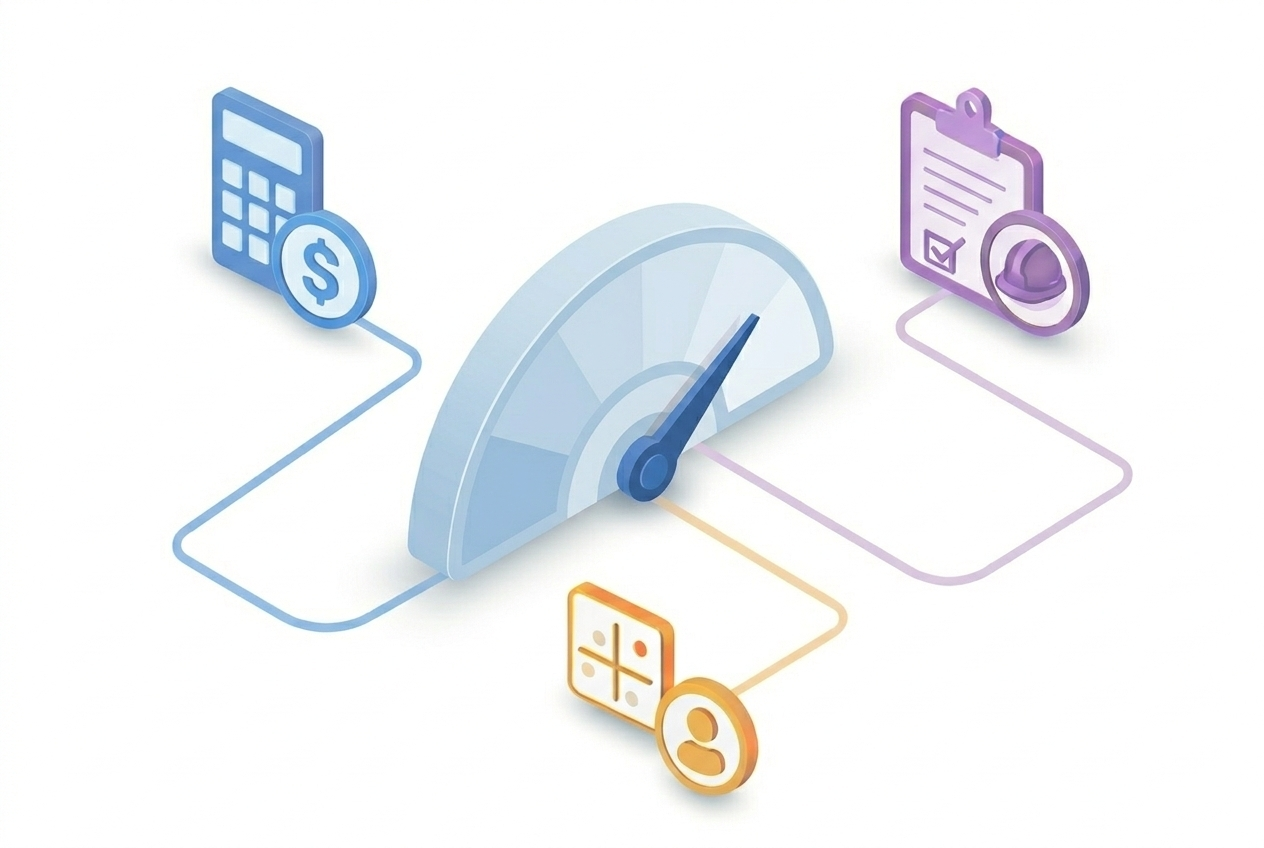
Health and Safety Toolkit
Free, practical tools to accelerate your journey to zero harm. Built by viso.ai, trusted by safety professionals in industry leading businesses.
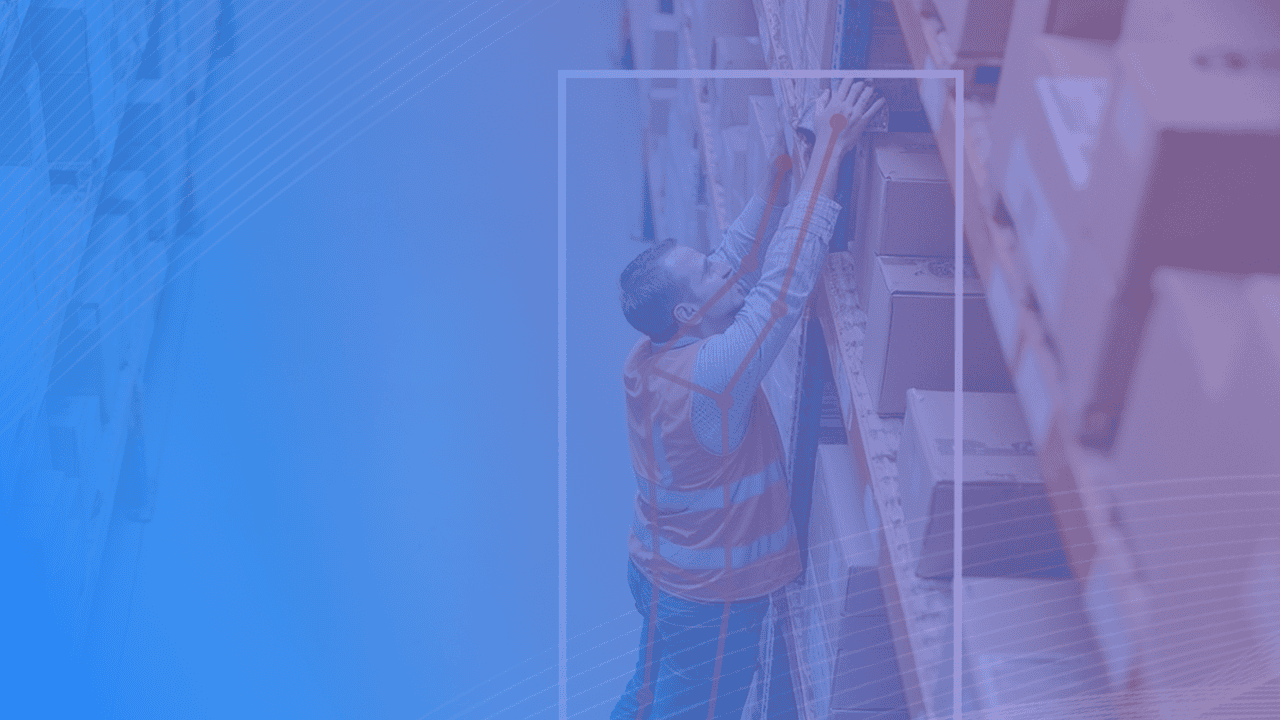
From blind spots to full visibility: The HSE leader’s playbook for AI Vision
From pilot to scale: how HSE teams turn everyday cameras into real-time safety intelligence: ethically, compliantly, and with ROI you can prove.