
KPIs
What KPIs means in practice
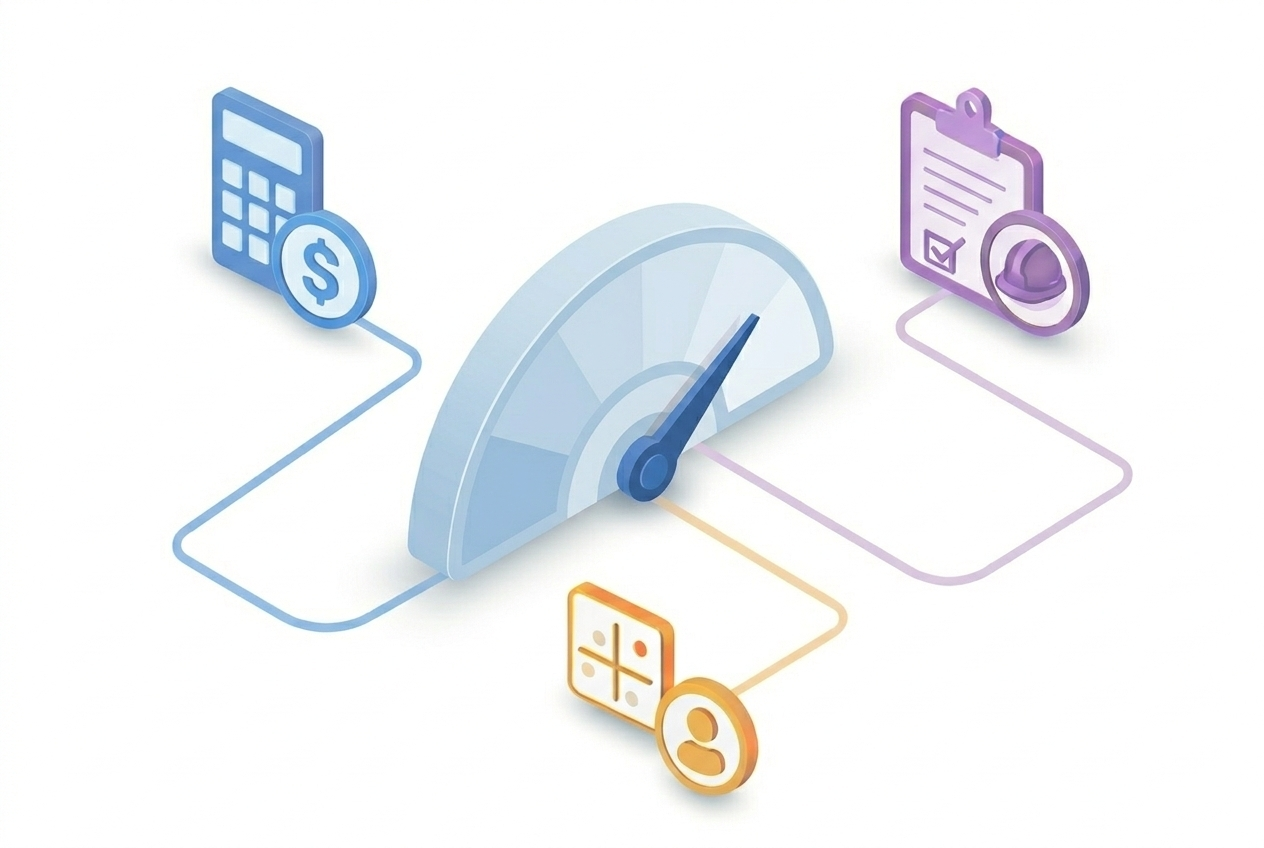
Safety KPIs track performance using objective data rather than anecdotal reporting. AI Vision supplies consistent metrics such as compliance rates, near-miss frequency, and response times. These indicators support continuous improvement and accountability. Teams can measure progress over time and compare performance across sites or shifts. In practice, this gives safety and operations leaders a clearer view of where risk is improving, where performance is slipping, and which interventions are delivering measurable results. Instead of relying on fragmented observations, they can use standardized data to guide training, process changes, and resource allocation. Over time, KPI tracking helps organizations move from reactive reporting to proactive management. It creates a shared baseline for improvement, makes safety performance easier to communicate internally, and supports more consistent decision-making across enterprise environments.
Why KPIs matters for enterprise teams
- Tracks progress objectively
- Supports accountability
- Demonstrates improvement
- Improves cross-site benchmarking
Related glossary terms
Performance Benchmarking
Read moreRelated content for KPIs

Vision to decision: AI vision deployed for a safer workplace
Zero-harm, always-compliant: real-time safety with AI Vision

From blind spots to full visibility: the AI Vision playbook