

Glossary
Location Intelligence
Location intelligence uses spatial data to understand where risks and inefficiencies occur within a site.
What location intelligence means in practice
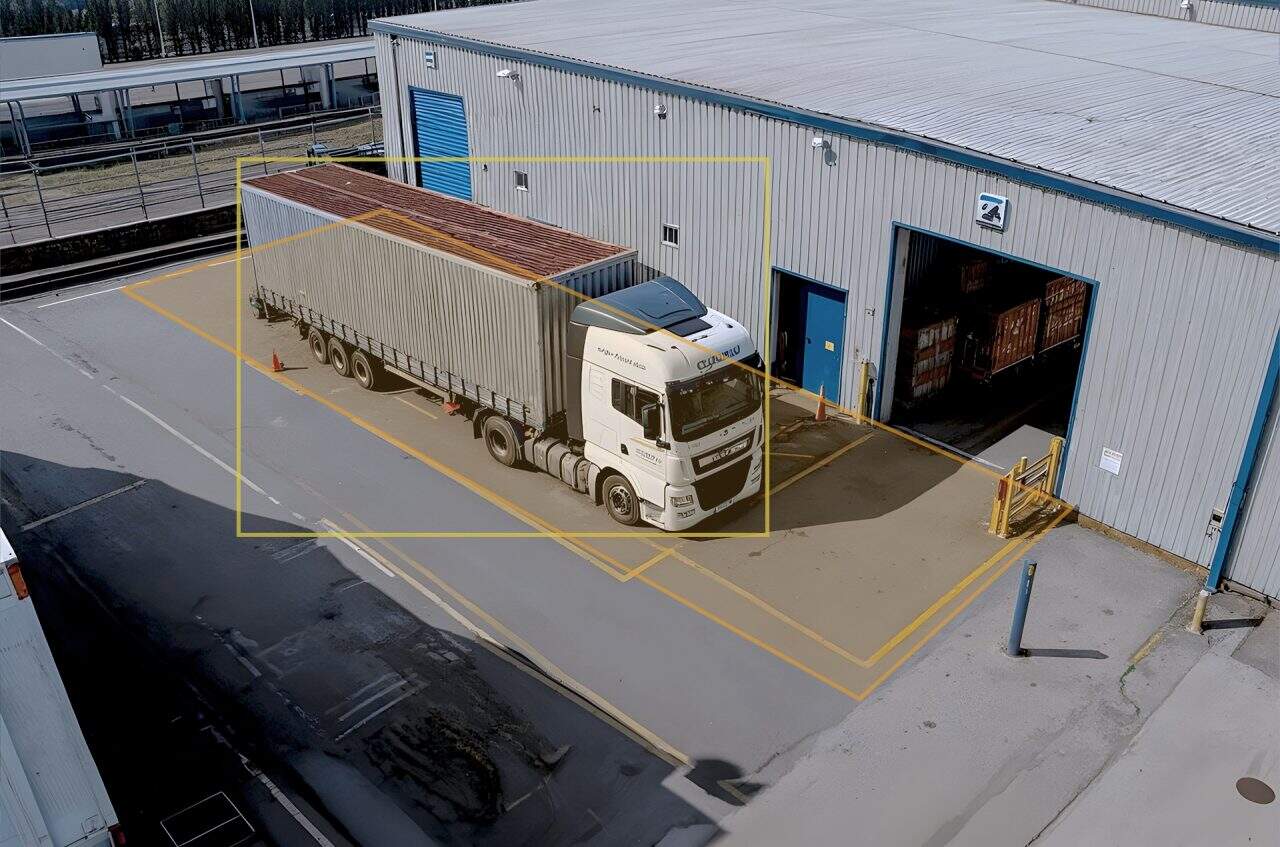
Location intelligence turns detections into a site-level map of where problems arise. AI Vision links events to specific zones, routes, intersections, entrances, and work cells, so teams can see recurring hotspots such as forklift-pedestrian crossings, congested staging areas, blind corners, or PPE non-compliance near certain bays. Over time, this builds a spatial risk and efficiency profile by shift, activity, or process step. With that context, actions become precise. This enables targeted interventions rather than broad, unfocused actions. Teams can prioritize improvements where they will have the greatest impact, adjusting signage, barriers, traffic flow, staffing, or layout in the exact areas driving incidents or delays.
Why location intelligence matters for enterprise teams
- Improves prioritization
- Reduces exposure risk
- Supports site redesign
- Enables data-driven decisions
Related glossary terms
Related content for location intelligence

Predictive protection: safety at work and AI Vision
How AI Vision is transforming workplace safety, moving from re-active to predictive protection - insights from our recent webinar with IOSH.
Incident prevention and risk: top industrial safety priorities
Explore in detail how computer vision mitigates for and reduces safety risks, with a focus on incident prevention from AI-powered systems.

From blind spots to full visibility: The HSE leader’s playbook for AI Vision
From pilot to scale: how HSE teams turn everyday cameras into real-time safety intelligence: ethically, compliantly, and with ROI you can prove.
Viso Suite
Viso Suite is transforming enterprise safety, operations, and innovation with cutting-edge AI vision solutions.