
AI vision for Operations teams
Track what happens. Automate what follows.
Build AI vision applications that track activity, measure flow, detect delays, and automate operational monitoring across the physical world. No model training or computer vision team required.
Start from a template

Front Desk Wait Tracking

5S Shop Floor Audit

GMP Hygiene Check

Crop Stress Mapper

Level Crossing Violation Monitor

MRF Feed Quality Tracker

Waste Container Fill System

Service Queue Pressure Analysis
Trusted by Fortune 500







AI for Operations Teams
What operations teams build with Viso
Measure throughput and flow
Turn visible movement into operating data by counting vehicles, loads, products, people, containers, or completed activities. Track how much work actually moves through a process and compare performance across shifts, locations, operating conditions, or time periods.
- Turnaround time
- Queue & waiting times
- Capacity utilization
- Cycle & dwell time


Find bottlenecks and delays
Measure waiting time, dwell time, queues, congestion, idle periods, and blocked processes from existing visual feeds. Understand where time is being lost instead of relying on averages, manual timestamps, or occasional observations from the floor.
- Blocked areas
- Throughput monitoring
- Workflow monitoring
- Material flow
Find process waste automatically
Identify waste, delays, bottlenecks, unnecessary movement, and process deviations without adding more manual observation. See where work slows down, validate improvements, and give Lean teams objective evidence to improve flow.
- LEAN
- Waste reduction
- Continuous improvement
- Standard work
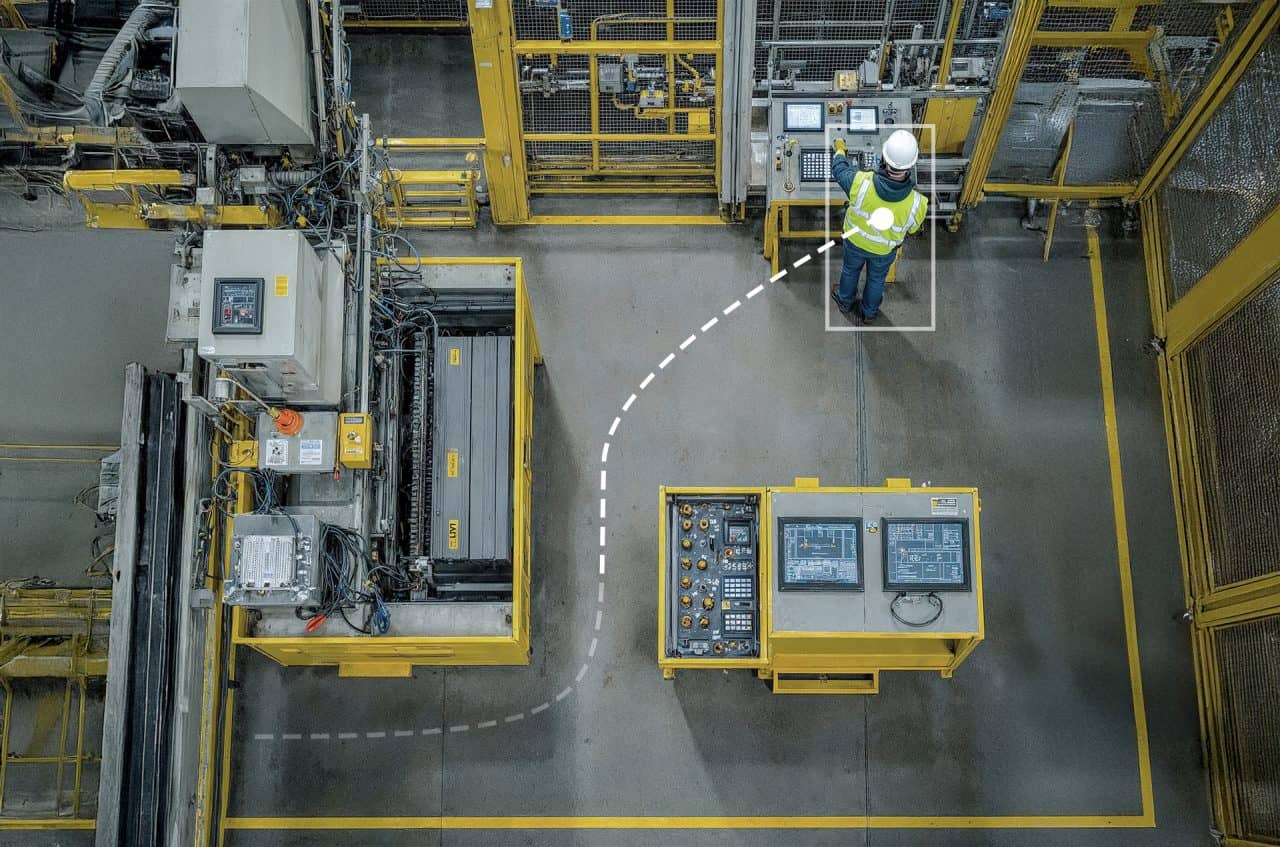
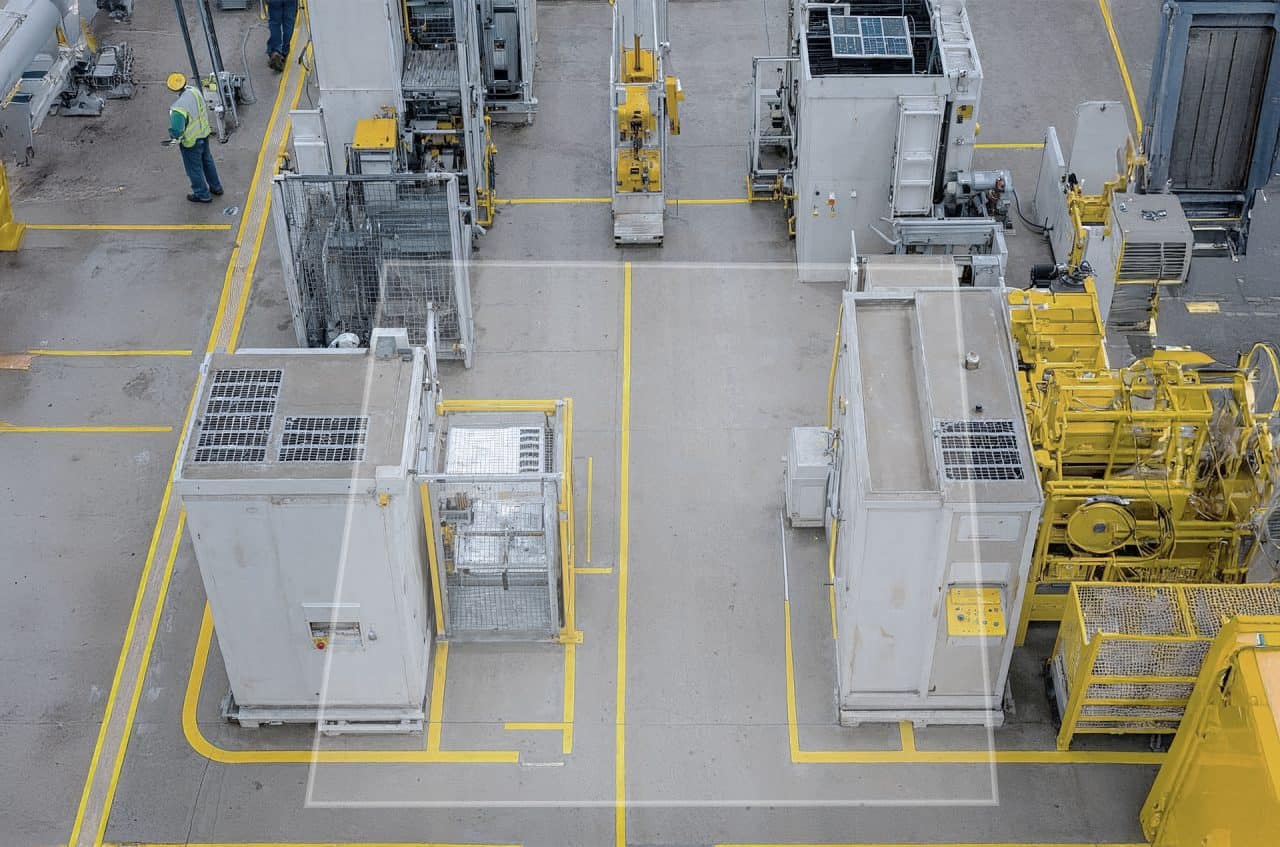
Detect operational exceptions
Surface situations that need attention, such as unexpected inactivity, blocked areas, material in the wrong place, abnormal traffic patterns, or processes taking much longer than expected. Give supervisors exceptions to act on instead of another camera feed to monitor.
- Process anomaly
- Workflow analysis
- Lean operations
- Material handling
The Viso Advantage
Build your own operational intelligence
With Viso Now, operations teams can turn everyday operations into measurable insight to reduce waste, uncover exceptions, and improve flow.
Track activity
Turn visible events into structured records automatically.
Measure performance
Create metrics for throughput, dwell time, cycle time, utilization, queues, and other physical KPIs.
Spot exceptions
Only bring the situations that need attention to the team.
Trigger workflows
Notify teams or connected systems when an operational condition occurs.
Customer stories
"We knew there was waiting time around the loading area, but nobody could tell us how much. We built a simple app around the footage and suddenly had the data by shift and bay."
HF
Herman F.
Operations Manager · Recycling Company
"The useful part isn't another camera dashboard. It's turning what happens in the yard into actual operating data."
CD
Carol D.
Site Manager · Industrial Manufacturer
FAQ
Frequently asked questions
What operational processes can Viso Now monitor?
It can automate many visually observable checks and help teams inspect far more consistently. Human review can still be kept for ambiguous findings, critical decisions, or quality processes that require it.
What can Lean teams use Viso Now for?
Viso Now helps teams measure how work actually happens on the floor. Use it to uncover waiting, bottlenecks, unnecessary movement, process deviations, changeover losses, and other forms of operational waste.
Can I measure cycle time and dwell time?
Yes. Applications can identify relevant events and use their timing to measure durations such as waiting time, processing time, dwell time, or overall cycle time.
Can I detect people, vehicles, products, or loads?
Yes. You can build applications around different products, conditions, and inspection rules and adjust them as your process changes. No need to collect data, annotate, or train models.
How is this different from traditional computer vision?
Viso Now uses a new generation of Visual General Intelligence that can reason about scenes, activities, relationships, deep industry knowledge and context.
Unlike traditional deep learning systems, it does not require custom data collection, annotation, or model training for every new use case, and can handle much more complex visual tasks.
Do we need a computer vision or data science team?
No. Lean and operations teams can build and adjust applications by describing what they want to understand in natural language and providing representative visual examples.
Can we use our existing CCTV cameras?
Yes. Teams can start with existing images or video and then connect cameras or storage sources to automate media intake.
Can I create dashboards from the results?
Yes. Structured findings can be used to create operational metrics and charts around the measurements generated by the application.
Can Viso Now integrate with our systems?
Yes. Applications can apply rules to detected events and send relevant findings through notifications, connectors, or APIs. For example, you can send notifications to email, Slack, Teams, and more.
Ready to build?
Turn real operations into measurable insight. Show Viso Now your process, tell it what you want to improve, and build an app around it. Or ask it what other operations teams are already using it for.